


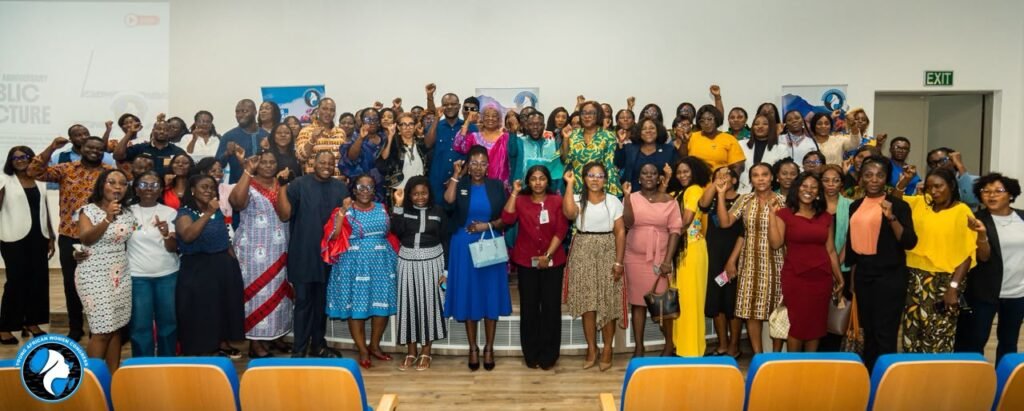
The Young African Women Congress (YAWC) Network has marked its 10th anniversary with a Public Lecture at the Africa Trade House in Accra, under the theme “Beyond Empowerment: Ownership, Wealth and Economic Justice for African Women.”
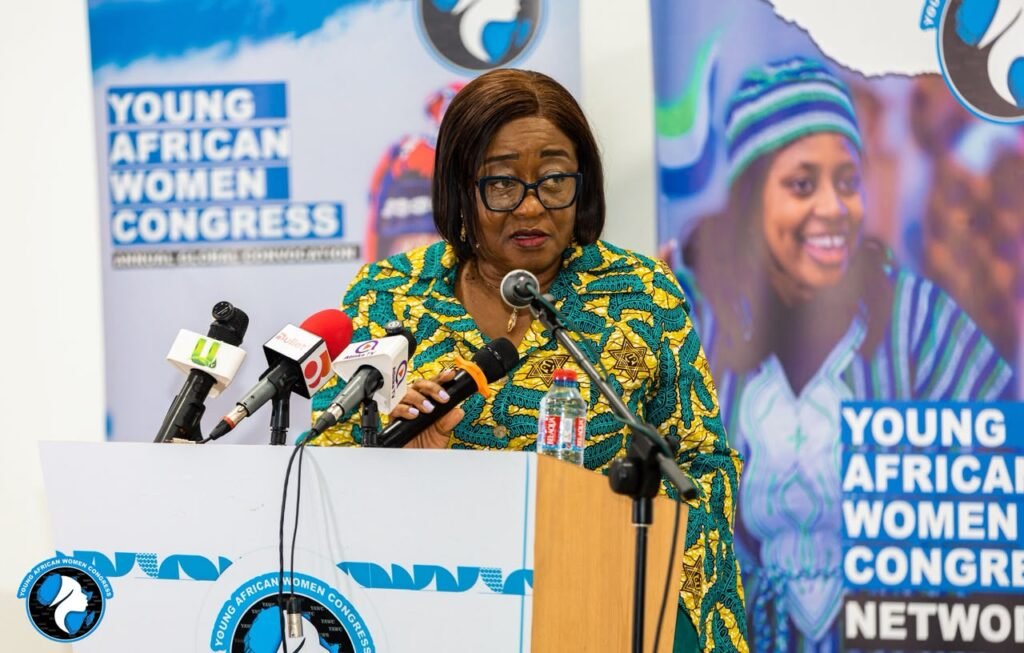
The lecture was delivered by legal practitioner and women’s rights advocate, Mrs. Sheila Minkah-Premo, Esq.
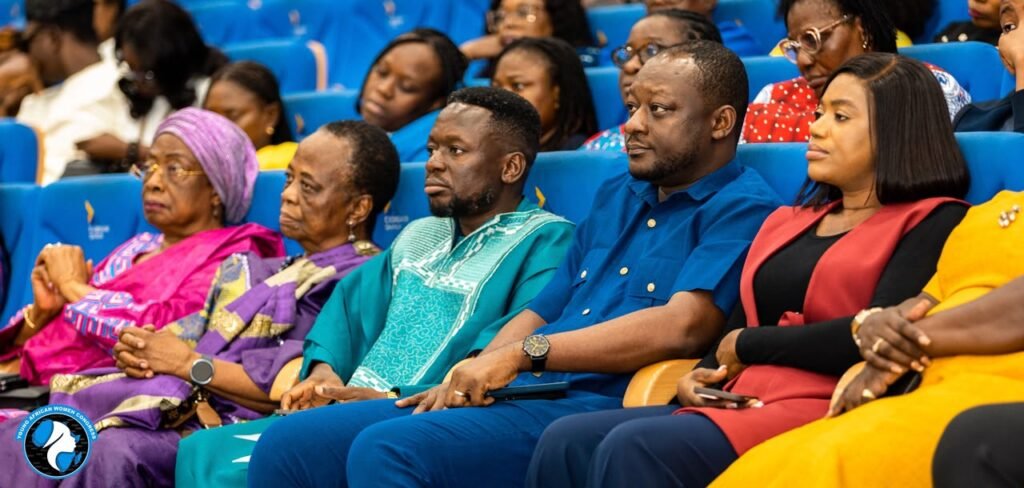
Addressing government officials, diplomats, traditional leaders, CSOs, and young leaders, Mrs. Minkah-Premo said the time has come for Africa to move “beyond empowerment” to ensure women truly own and control wealth.
“Empowerment opens the door; ownership gives women the keys; and economic justice ensures that those keys can never again be taken away” she stated.
She reviewed Ghana’s progress in gender laws, citing the 1992 Constitution, the Intestate Succession Act, 1985, the Lands Act, 2020, and the Affirmative Action (Gender Equity) Act, 2024. However, she noted that legal reforms have not always translated into real ownership of land, businesses, and assets for women.
She identified key gaps, including the absence of a Property Rights of Spouses law more than 30 years after it was mandated by the Constitution, and the unequal burden of unpaid care work.
Mrs. Minkah-Premo outlined priorities for the next decade: effective implementation of existing laws, legal literacy, shifting focus from income to wealth creation and asset ownership, and leveraging opportunities in the digital economy and AfCFTA.
“The ambition must now be to build a society where women own productive assets, influence policy, create global businesses and transfer wealth across generations” she added.
YAWC leadership said the 10th anniversary was both a celebration of impact and a renewed commitment to equip young African women to lead Africa’s economic transformation.
Delivering the welcome address, Daniel Osei Tuffuor, Founder and Executive Chairperson of YAWC Network, said the anniversary was a moment to reflect on progress and renew commitment to the next decade of impact.
Using the story of two women farmers in Zambia, Mr. Tuffuor illustrated the difference between empowerment and ownership.
“Both women were hardworking. Both were empowered with skills. Yet only one had ownership. And ownership transformed her labor into wealth, her voice into influence, and her success into lasting impact,” he said.
He noted that while empowerment is an essential beginning, it is not the destination.
“Skills without ownership can still leave women dependent. Income without wealth can still leave families vulnerable. Opportunity without economic justice can still leave inequality untouched,” he added.


