


The Ghana Medical Trust Fund, popularly known as Mahama Cares, has outlined four interconnected pillars to improve access to specialist care for Ghanaians living with serious chronic conditions, including kidney failure.
Delivering the address on behalf of the Administrator of the Fund, Adjoa Obuobia Darko-Opoku, at the grand opening of the AMIC Dialysis Centre in Tesano, opposite the Tesano Police Station, Dr Mariam Sumaila said improving access requires more than just paying individual medical bills.
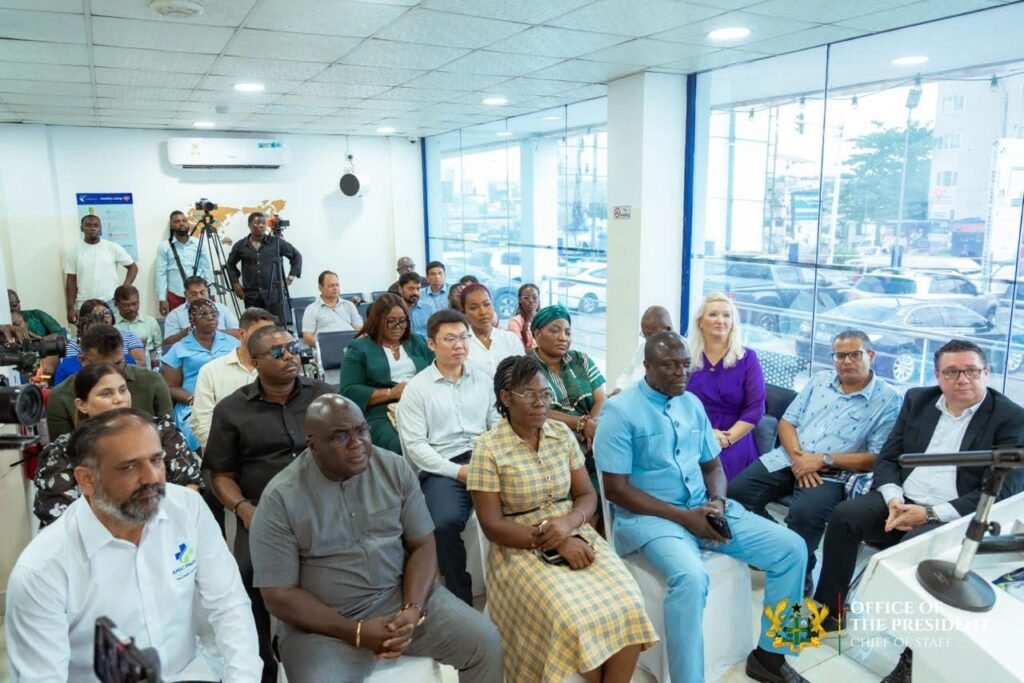
“At the Ghana Medical Trust Fund, popularly known as Mahama Cares, we do recognize that improving access to specialist care requires more than just paying individual medical bills. Our work therefore is built around four interconnected pillars.”
She listed the pillars as: providing financial support to eligible patients; investing in medical equipment and infrastructure across the country; supporting specialist training and human capacity development; and advancing research and innovation in chronic disease care in Ghana.
“These pillars are directly relevant to kidney care because patients will not only need financial access to approved specialist treatments, but they also need properly equipped facilities, trained specialists and reliable local evidence to guide the prevention, treatment, and long-term care. One pillar cannot successfully stand without the others.”
Dr Sumaila revealed that the Fund’s support in kidney care currently includes assistance for eligible patients who are ready to undergo kidney transplantation in Ghana, at any of its listed facilities where the procedure can be performed.
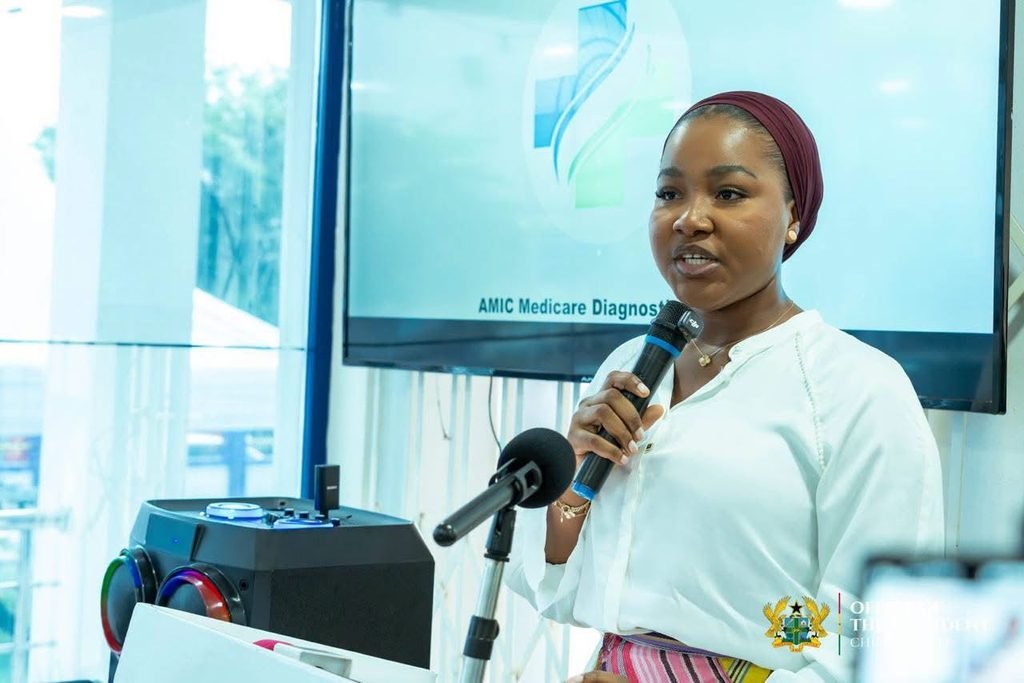
“This is part of a broader commitment to helping Ghanaians access specialized treatment for serious chronic conditions without allowing the cost to become the final barrier to care.”
She congratulated the management and staff of AMIC Dialysis Centre on establishing the modern facility, and wished the center boundless success.
“I look forward to continuing collaboration towards making quality kidney care accessible, coordinated, and patient-centered across Ghana.”


