


A strong call has been made for the integration of African Indigenous Elders’ Critical Teachings (ELDERCRITS) into social work education and practice as part of efforts to indigenize the profession and make it more responsive to local realities.
Speaking at the ELDERCRITS for Education Reforms Inquiry Workshop, held at the Centre for Biodiversity Conservation Research, University of Ghana, Legon, Prof. Osei-Hwedie emphasized the need for social work educators to draw on the positive aspects of Ghanaian and African cultural traditions.
“Indigenizing means going back to our culture, picking the positive practices, and making them the center of our profession,” Prof. Osei-Hwedie noted.
He stressed that while Western models have long dominated social work education in Africa, they often sideline local knowledge and practices that could enrich interventions.
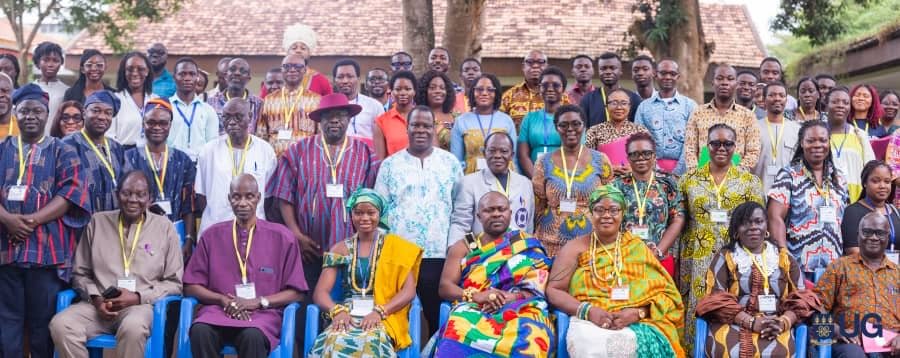
The workshop brought together chiefs, queen mothers, scholars, researchers, and students, who joined in discussions on how indigenous knowledge could be harnessed for meaningful reforms in education and practice.
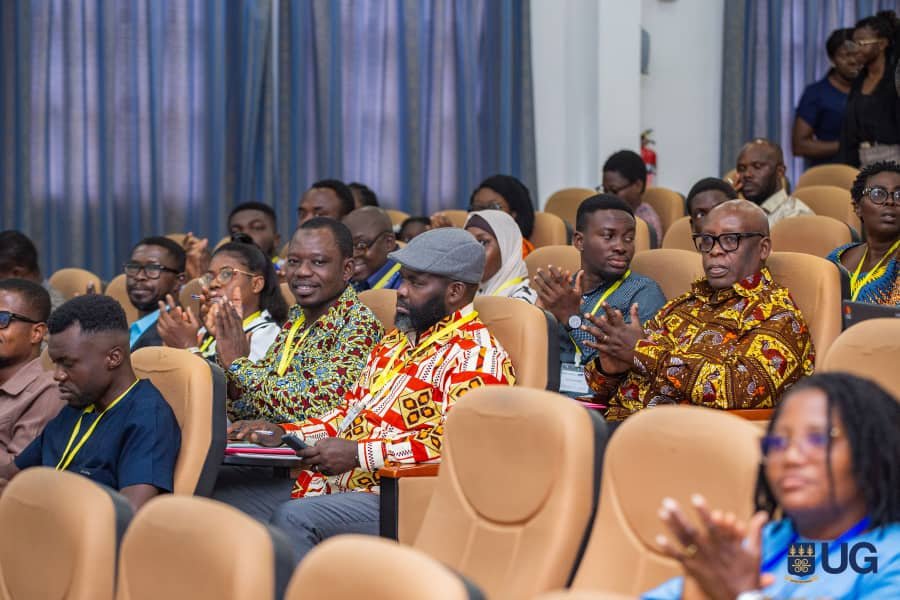
A recurring theme throughout the workshop was the need to promote local languages alongside ELDERCRITS. Language, speakers argued, is a vital carrier of culture.
Dr. Nancy Henaku, from the Department of English at the School of Languages, University of Ghana, affirmed this point: “Our local languages carry our culture.
Teaching children to speak our local languages means we are indirectly teaching them our culture, which will stay with them wherever they go. On the other hand, relying solely on English or foreign languages will gradually diminish our cultural identity.”
Supporting this view, Dr. Nancy also stressed that language is directly tied to how ideas are lived out in society. “In the end, due to the languages used in teaching, we raise people with ideas but with a disconnect from our culture. This makes it difficult for them to materialize any ideology,” she said.
Participants highlighted that integrating ELDERCRITS is not about discarding Western approaches but about balancing them with indigenous traditions to ensure that social work education in Ghana reflects the realities, values, and diversity of its people.
The initiative reflects a wider movement across Africa to decolonize higher education by recognizing the contributions of elders and indigenous knowledge to knowledge production and professional practice.


