


Iran has reportedly begun closing the Strait of Hormuz, the world’s most critical oil choke point in retaliation for U.S. bombing raids, threatening nearly 20% of the global oil supply and sending energy markets into turmoil.
With the U.S. Navy on high alert and global leaders scrambling to de-escalate, the standoff risks igniting a broader conflict with sweeping economic consequences.
Tensions in the Gulf escalated dramatically on Sunday as Iran signaled it is taking steps to close the Strait of Hormuz following a series of U.S. airstrikes on its nuclear facilities, according to Iranian state-run Press TV.
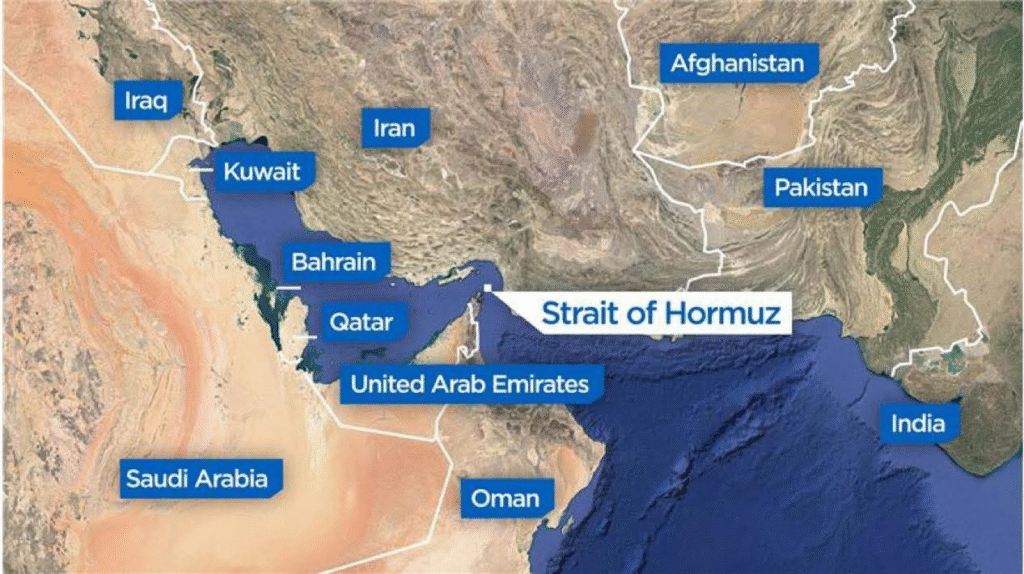
The move, if fully implemented, would disrupt a vital passageway responsible for nearly one-fifth of the world’s daily oil exports.
The Iranian parliament has reportedly backed the closure, but the final decision lies with the country’s Supreme National Security Council.
The United States, which maintains a significant naval presence in the region, has warned that any attempt to block international shipping through the strait would provoke a military response.
“I encourage the Chinese government in Beijing to call them about that, because they heavily depend on the Straits of Hormuz for their oil,” said U.S. Secretary of State and National Security Adviser Marco Rubio in a statement Sunday. “If they do that, it will be another terrible mistake. It’s economic suicide for them… and it would hurt other countries’ economies a lot worse than ours.”
U.S. military officials say the threat level to commercial vessels in the Red Sea and Gulf of Aden has been raised to “high” amid fears that Iranian-aligned forces could escalate attacks beyond the Strait.
The closure has already rattled global oil markets, with analysts predicting a sharp rise in fuel prices worldwide.
American consumers are particularly vulnerable, as the U.S. remains heavily tied to global oil flows despite increases in domestic production.
International pressure is mounting on Iran to de-escalate, with calls from Europe and Asia for restraint. However, regional observers warn that the situation could spiral further if diplomatic channels fail.
Blocking the Strait of Hormuz through which over $1 billion in oil passes daily would constitute a violation of international maritime law and may be seen by the U.S. and its allies as an act of war.
The U.S. Fifth Fleet, based in Bahrain, has not yet confirmed direct engagement, but sources say warships are in position and “monitoring all threats closely.”
Story Written By Bernard Quaye | Kobby Kyei News


