


Across Ghana—in schools, homes, workplaces, and public spaces—there is a silence that feels unsettling. It is the silence that masks the pain of countless girls abused in hostels, women suffering in their own homes, and students harassed by authority figures.
Gender-based violence (GBV) is everywhere, yet it remains hidden under layers of fear, shame, and indifference.
It is time to confront this issue boldly. Gender-based violence is not a private matter; it is a national crisis. According to the Ghana Statistical Service, more than one in three Ghanaian women has experienced physical, emotional, or sexual abuse.
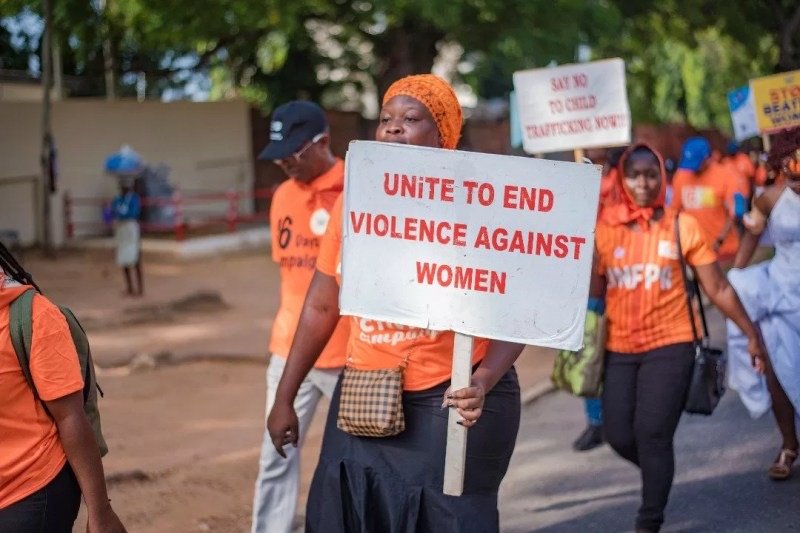
Yet most cases go unreported because survivors fear being blamed, ignored, or silenced. This violence leaves deep scars not only on individuals but also on families, communities, and the nation at large.
GBV is not just the result of individual actions—it is rooted in harmful systems and attitudes. From a young age, boys are often taught to value dominance, while girls are encouraged to tolerate discomfort in the name of respect or tradition.
Harmful cultural beliefs, poverty, lack of comprehensive sexual education, and the normalization of abusive behavior in the media all fuel the problem.
Ghana is not the first country to face this challenge. Spain, for example, took a bold step in 2004 by passing a national law that treated gender-based violence as a structural problem.
The law created special courts, provided free legal aid to survivors, and funded nationwide education campaigns. Ghana can learn from such examples and adapt them to our own context.
Some may argue that tackling GBV is complicated by cultural norms or that it is a private family issue. But violence is never a private matter—it is a violation of human rights.
Respecting culture should never mean protecting abuse. We can honor our traditions while evolving to ensure safety, equality, and dignity for all.
We cannot afford to wait any longer. The silence surrounding gender-based violence is costing lives and eroding trust in our institutions. Ghana needs stronger policies, louder voices, and a collective commitment to ending this crisis.
Every girl and woman deserves to feel safe in her home, her classroom, and her community. Let us break the silence. Let us act now.
Story Written By Martin Mensah Amponsah Jr.


