


In the aftermath of the New Patriotic Party’s (NPP) crushing defeat in the 2024 general elections, Minority Leader Alexander Afenyo-Markin has emerged as a voice of reconciliation and renewal, delivering a powerful message that cuts to the heart of the party’s internal struggles.
His emphatic declaration that “no individual is bigger than the NPP” represents more than rhetoric, it’s a strategic blueprint for rebuilding Ghana’s main opposition party from the ground up.
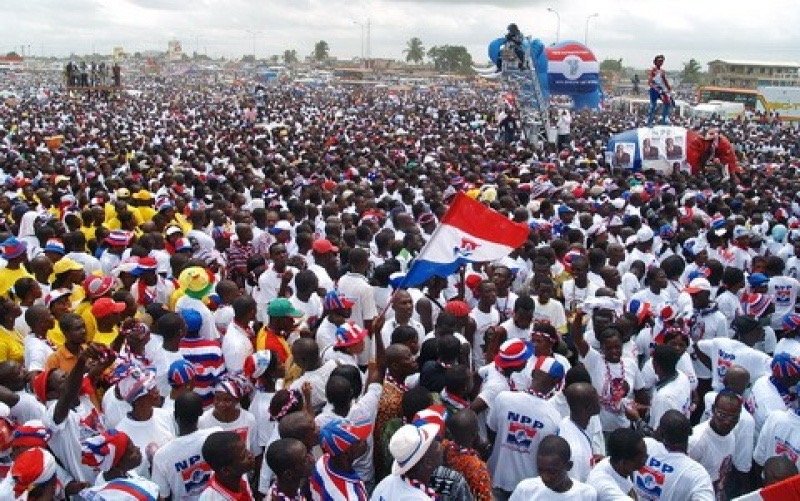
Speaking at the party’s National Delegates Conference, the Effutu MP’s message resonated with profound urgency.
“We must rebuild together, brick by brick, anchored in our values and in the unshakeable belief that no individual is bigger than the NPP,” Afenyo-Markin declared, outlining a vision that prioritizes collective identity over individual ambitions.
This philosophy emerges from harsh electoral realities. The NPP’s 2024 defeat wasn’t merely a political setback; it was a referendum on leadership style and party unity.
Afenyo-Markin’s emphasis on rebuilding “brick by brick” acknowledges the fundamental structural damage that personality-driven politics has inflicted on the party’s foundation.
His call for unity reflects an understanding that the NPP’s future depends not on charismatic figures but on institutional strength and shared values.
The timing of this message is particularly significant. As Ghana’s political landscape shifts, the NPP faces an identity crisis that extends beyond electoral mathematics.
Afenyo-Markin’s leadership as Minority Leader positions him uniquely to articulate this new direction.
His recent actions, from facilitating the swift vetting of President Mahama’s ministerial nominees to defying party directives on media boycotts, demonstrate a pragmatic approach that puts institutional integrity above partisan posturing.
The “no individual bigger than the party” principle addresses a persistent challenge in Ghanaian politics: the tendency for parties to revolve around strong personalities rather than coherent ideologies.
This approach often creates internal factions, succession battles, and ultimately weakens the party’s democratic credentials.
Afenyo-Markin’s vision suggests a more mature political culture where ideas and institutions supersede individual ambitions.
However, implementing this philosophy requires more than declarative statements.
It demands structural reforms, internal democracy, and a culture that rewards collective achievement over personal glory.
The NPP must confront uncomfortable truths about why it lost traditional strongholds and youth support. Afenyo-Markin’s acknowledgment of these failures suggests a willingness to engage in honest self-assessment.
The broader implications extend beyond party politics. Ghana’s democracy benefits when opposition parties maintain institutional strength rather than depending on individual leaders.
A robust NPP, guided by collective leadership principles, provides better checks and balances on government power.
As the NPP navigates its post-defeat period, Afenyo-Markin’s message offers a roadmap for renewal.
Whether the party embraces this collective approach or reverts to personality-driven politics will determine not only its electoral prospects but its contribution to Ghana’s democratic maturity.
The emphasis on rebuilding “brick by brick” suggests a long-term vision that prioritizes sustainable growth over quick fixes.
Ultimately, Afenyo-Markin’s declaration represents a choice between two visions of political organization: one that elevates institutions and shared values, and another that remains captive to individual ambitions.
For Ghana’s democracy, the NPP’s decision could set important precedents for how opposition parties rebuild and remain relevant in changing political landscapes.
Story Written By Prince Asante Kwarteng | Kobby Kyei News


