


His Majesty King Mswati III of Eswatini has urged African traditional authorities to rise above contemporary challenges posed by globalisation and Western democratic models that often marginalize indigenous governance systems.
The King during his visit to Asantehene, Otumfour Osei Tutu ll emphasized the need for traditional leaders to adapt and innovate without compromising their heritage.
“We must not allow ourselves to be sidelined. Instead, adapt, innovate and reclaim our rightful role in shaping Africa’s future,” he said.
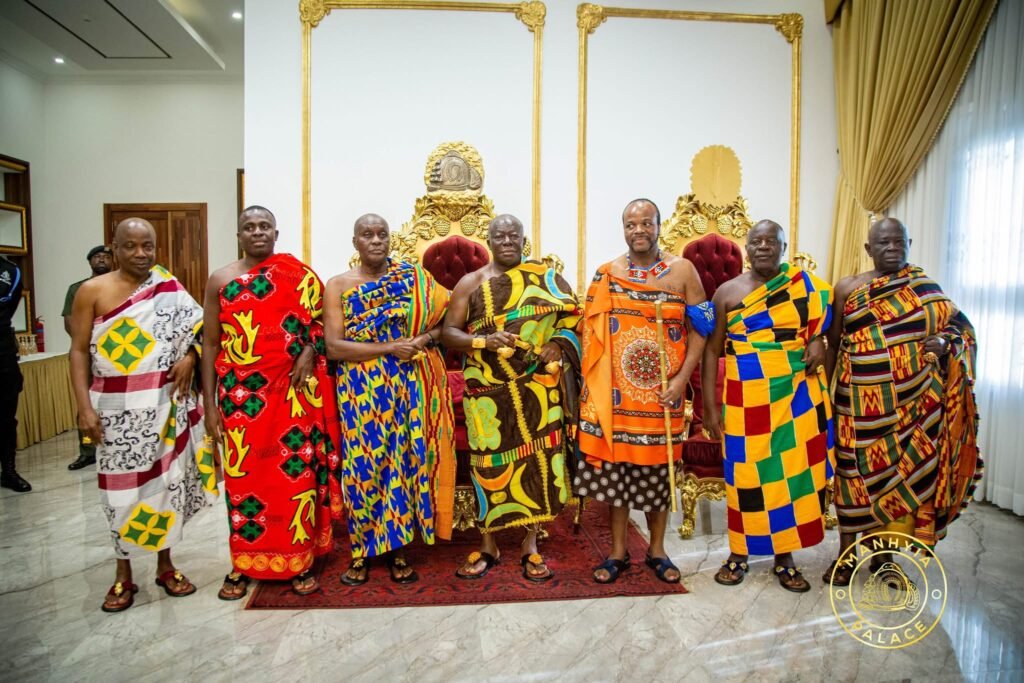
King Mswati highlighted that while honoring the past is vital, it is equally important to critically assess traditions to preserve those that define unique African identities and serve societies well.
In Eswatini, traditional leadership is constitutionally enshrined and plays a central role in governance.
Chiefs appointed by the King serve as community administrators responsible for dispute resolution and safeguarding cultural heritage.
“They are the foundation of our Monarchy, ensuring the people’s voices reach the throne while upholding unity, respect and progress for all,” His Majesty noted.
The King further stressed that Eswatini’s governance model harmonizes tradition with modernity through cultural ceremonies that celebrate national identity.
To strengthen this system, Eswatini is establishing a dedicated Council or Chamber of Chiefs tasked with advising the government on tradition, customs, and cultural preservation.
“This institutionalized role ensures that the wisdom of our chiefs continues to shape our laws and policies in a rapidly evolving world,” King Mswati said.
Eswatini’s approach exemplifies what it terms a Monarchical democracy — a governance framework where traditional leadership and modern political structures coexist to sustain national identity and progress.


