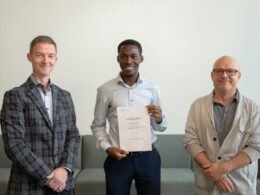


Supreme Court nominee Justice Philip Bright Mensah has proposed that judges stationed in areas affected by galamsey receive training in the Chinese language.
This initiative seeks to address the significant language barriers that hinder effective legal proceedings against foreign nationals, particularly Chinese individuals involved in illegal mining operations.
During his vetting session on June 17, Justice Mensah highlighted the challenges faced by the judicial system when dealing with cases involving Chinese defendants.
“When these Chinese nationals are arrested and sent to court, many either don’t speak English or refuse to. This makes prosecution difficult,” he explained.
He further noted that reliance on interpreters can complicate trials, as they are not always reliable.
To tackle this pressing issue, Justice Mensah suggested two potential solutions: sending judges to China for immersive language training or bringing qualified experts to Ghana to provide instruction.
“If we can’t prosecute offenders due to language issues, then it’s like letting them walk free,” he asserted, emphasizing the necessity of overcoming linguistic barriers in the pursuit of justice.
His proposal has ignited discussions among legal professionals and stakeholders involved in Ghana’s ongoing battle against illegal mining.
Many agree that enhancing judges’ communication skills could lead to more effective prosecutions and ultimately contribute to curbing the environmental degradation associated with galamsey.
Justice Mensah’s initiative reflects a proactive approach to addressing not only the legal challenges posed by illegal mining but also fostering better cross-cultural understanding within Ghana’s judiciary.
As the country continues to confront the repercussions of galamsey on its natural resources and communities, this innovative proposal may serve as a vital step toward strengthening the rule of law and protecting Ghana’s environment.