


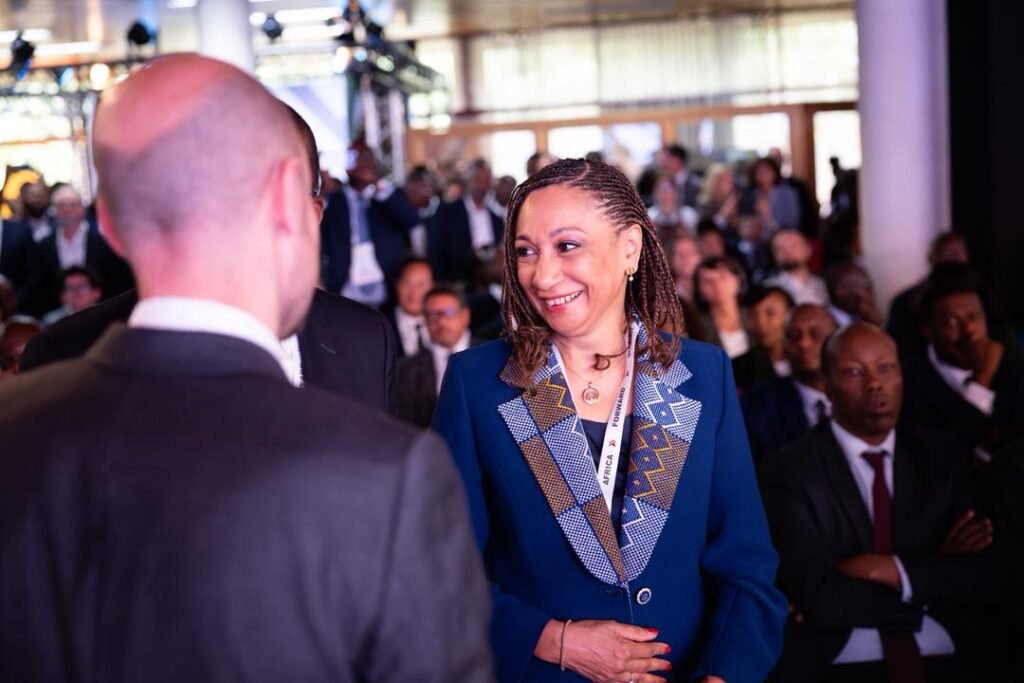
African leaders have gathered in Nairobi, Kenya, for the Africa Forward Summit, a high-level meeting focused on one of the continent’s most urgent economic concerns: the growing impact of global macroeconomic imbalances on Africa’s development and future prosperity.
The summit has brought together Heads of State and Government from across Africa alongside representatives from major international institutions, including the International Monetary Fund (IMF), the World Bank Group, the African Development Bank Group (AfDB), the European Bank for Reconstruction and Development (EBRD), the European Investment Bank (EIB), the Green Climate Fund (GCF), the West African Development Bank (BOAD), and development partners such as the Agence Française de Développement Group (AFD) and the Pact for Prosperity, People and the Planet (4P). France also participated in the discussions, reinforcing the international significance of the summit’s outcomes.
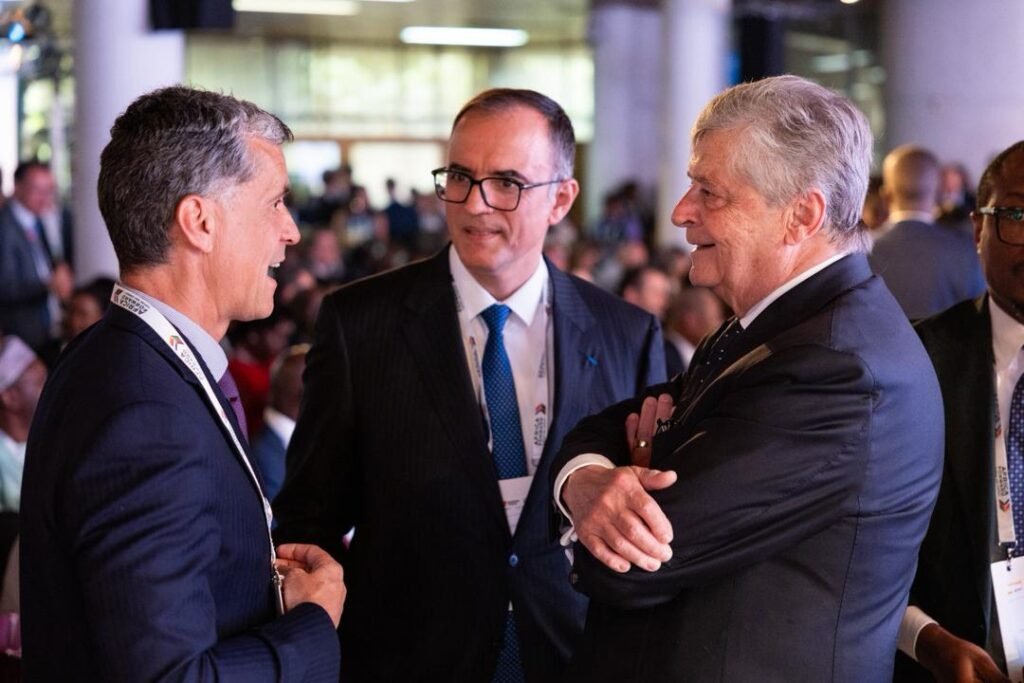
At the center of the discussions was a growing concern: Africa continues to bear the disproportionate consequences of global economic instability despite contributing the least to many of the structural problems shaping the international economy.
Africa at a Critical Crossroads
The summit highlighted that Africa stands at a defining moment in its history. The continent possesses enormous opportunities driven by its youthful population, expanding innovation ecosystem, rich natural resources, and rapidly growing markets. Yet these opportunities exist alongside significant structural challenges that threaten long-term growth and stability.
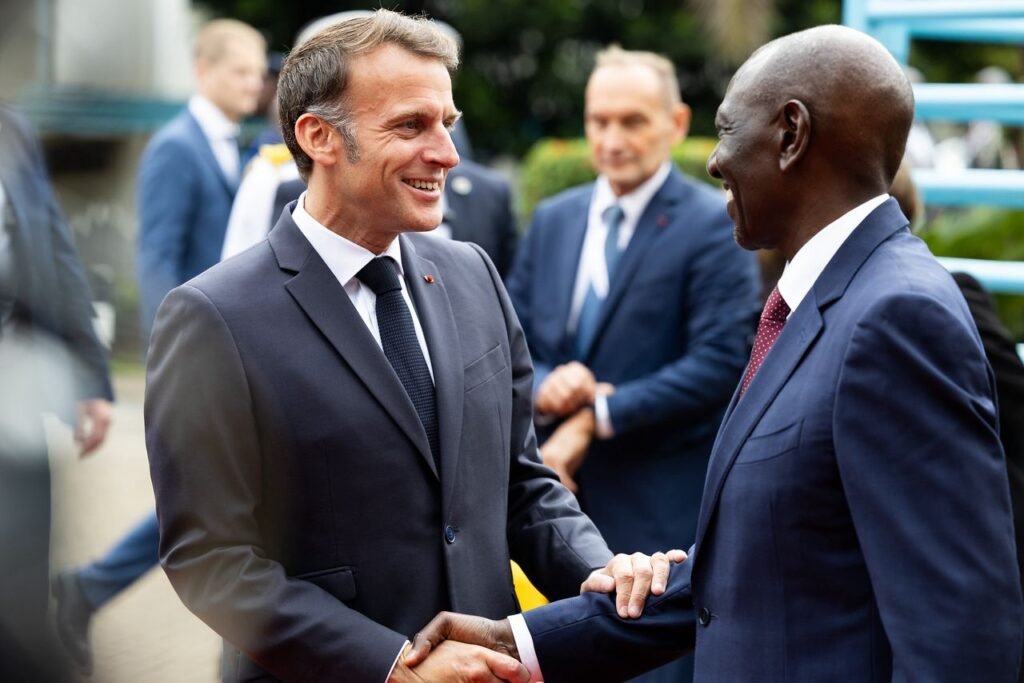
African leaders stressed the urgent need to transform the continent’s demographic growth into a demographic dividend. With more than 10 million young Africans entering the labor market each year, governments face increasing pressure to create sustainable employment opportunities capable of absorbing this expanding workforce.
At the same time, Africa must address rapid urbanization, improve infrastructure, strengthen industrialization, promote local value addition, and support fair energy transitions while adapting to climate change. These goals require stable economic systems, accessible development financing, and stronger participation in global technological advancement.
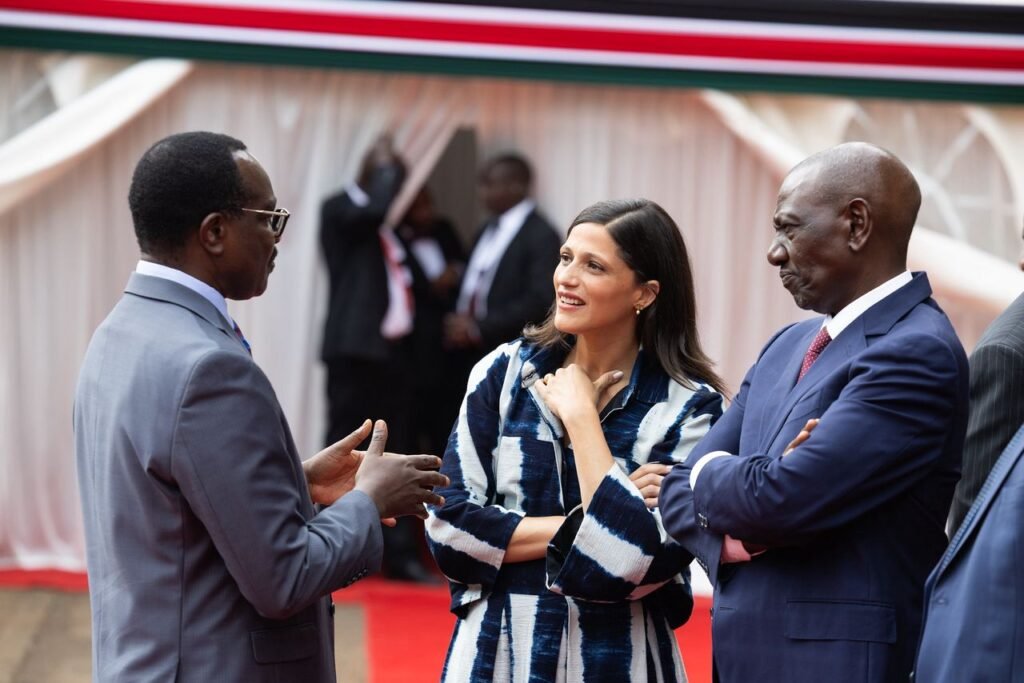
The summit reaffirmed that Africa’s natural wealth, including critical minerals and raw materials, should no longer serve only as exports for foreign industrial growth. Instead, African countries emphasized the importance of beneficiation, local processing, industrial development, and job creation that directly benefit African populations.
The Burden of Global Economic Imbalances
A major theme throughout the summit was the growing vulnerability created by excessive global macroeconomic imbalances. African leaders acknowledged that many African economies remain heavily dependent on raw material exports such as hydrocarbons, cocoa, coffee, vanilla, and minerals. This dependence leaves countries exposed to global price fluctuations and external economic shocks.
In addition, rising sovereign debt levels, widening development financing gaps, and limited economic diversification continue to weaken Africa’s resilience. Leaders warned that if these challenges remain unresolved, global economic imbalances among the world’s largest economies could further deepen inequality and instability across the continent.
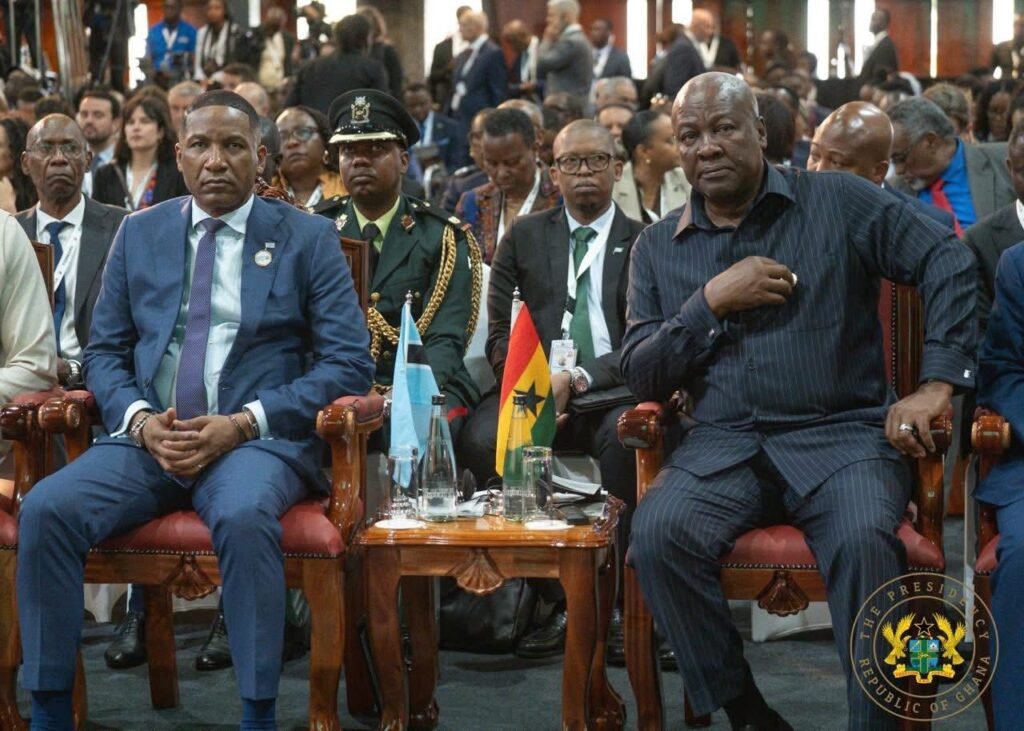
Particular concern was raised about structural overcapacities and distortive non-market policies that negatively affect African industrialization. African leaders argued that excessive production capacities in major economies artificially depress global commodity prices, weaken the competitiveness of emerging African industries, and discourage foreign direct investment into productive sectors.
The summit also criticized the increasing use of unilateral and uncoordinated trade measures that limit Africa’s integration into the global economy. Such policies, leaders argued, undermine fair competition and reduce opportunities for African businesses to participate meaningfully in global value chains.
These global dynamics have severe consequences for African economies, including higher borrowing costs, constrained fiscal space, exchange rate volatility, and reduced access to affordable long-term financing needed for development and industrial transformation.
Defending Multilateralism and Fair Trade
In response to these concerns, African leaders reaffirmed their support for a rules-based, fair, transparent, and inclusive multilateral trading system. They emphasized that global economic growth must be equitable and sustainable, allowing developing economies to participate on fair terms.
The summit called for stronger international cooperation to address distortive subsidies, unfair market practices, and overcapacities that continue to disadvantage African economies. Leaders stressed that addressing these challenges is essential to enabling Africa’s industrialization ambitions and strengthening regional value chains capable of generating decent jobs, promoting technology transfer, and building industrial resilience across the continent.

The summit also encouraged greater support for African regional integration initiatives, which are increasingly viewed as critical pathways toward reducing external dependence and strengthening intra-African trade.
A Call to the World’s Major Economies
One of the strongest messages from the Africa Forward Summit was directed toward the world’s major economies. African leaders urged them to recognize their shared responsibility in reducing excessive global imbalances and implementing coordinated domestic policies that support balanced and sustainable global growth.
The summit emphasized that global economic stability cannot be achieved when developing economies continue to carry disproportionate burdens created by the policies and imbalances of wealthier nations. African leaders therefore called for coordinated reforms aimed at creating a more balanced international economic system that benefits all countries, including emerging and developing economies.
Additionally, the summit urged international financial institutions, particularly the IMF, to strengthen multilateral surveillance mechanisms capable of monitoring global imbalances more effectively. Leaders also encouraged these institutions to take greater account of the unique vulnerabilities facing African countries, especially those affected by conflict, climate shocks, and long-standing structural development constraints.
Looking Ahead to Global Action
As a follow-up to the summit, African leaders called on France, together with Kenya, which is associated with the G7, to convey Africa’s concerns to the upcoming G7 Summit in Evian scheduled for June 2026.
This appeal reflects Africa’s growing determination to ensure that global economic discussions no longer overlook the continent’s realities and aspirations. African countries are increasingly demanding a stronger voice in shaping international economic governance and advocating for policies that promote fairness, inclusion, and sustainable development.
The Africa Forward Summit in Nairobi served as both a warning and a call to action. It highlighted the urgent need for reform within the global economic system while emphasizing Africa’s determination to chart a path toward industrial growth, resilience, and long-term prosperity.
As global economic uncertainty continues to rise, Africa is making it clear that sustainable global growth cannot be achieved without addressing the structural inequalities and imbalances that continue to limit the continent’s development. The summit’s message was unmistakable: Africa is ready to contribute to the future of the global economy, but it demands a fairer system that allows its people, industries, and economies to thrive.